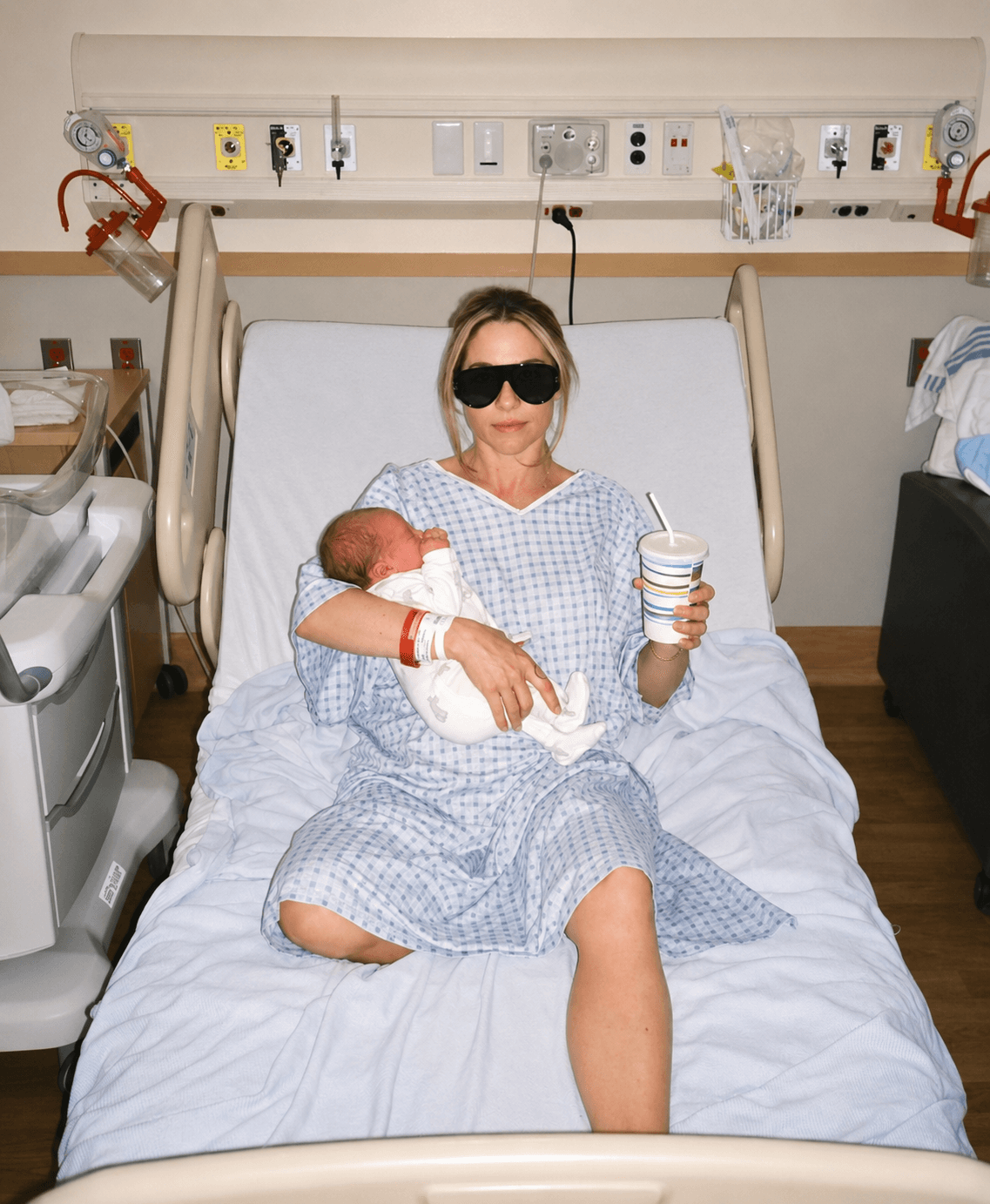

Postnatal depression: what it actually looks like, and how to ask for help
PND is not always crying. Sometimes it looks like numbness, rage, or feeling completely fine while something underneath quietly breaks. Here is what to know.
Postnatal depression is one of the most common complications of childbirth. It affects approximately 10–15% of mothers — and the numbers for postnatal anxiety are at least as high, possibly higher. Despite this, it remains widely misunderstood, underdiagnosed, and undertreated.
Part of the problem is the picture people have of it.
The cultural image of postnatal depression is a mother who cannot get out of bed, who cries constantly, who is visibly unable to cope. This does exist. But it is not the only way PND presents, and for many women, it is not how it presents at all.
What postnatal depression actually looks like
**It can look like numbness.** Not sadness, but flatness. A sense of going through the motions — feeding, changing, soothing — without feeling anything in particular. You love your baby. You just feel very far away from that love.
**It can look like anger.** Irritability and rage that feels disproportionate, often directed at a partner rather than the baby. The anger surprises you. You don't recognise yourself in it.
**It can look like anxiety.** Postnatal anxiety is its own diagnosis, but it overlaps significantly with PND. Catastrophic thinking about the baby's safety. Inability to sleep even when the baby is sleeping. Checking and rechecking. A persistent sense of dread that something is about to go wrong.
**It can look like feeling completely fine.** High-functioning PND is real. You manage everything. You meet every appointment. You appear well. Internally, something is very wrong, and the gap between how you appear and how you feel is itself exhausting.
**It can look like intrusive thoughts.** Unwanted thoughts about harm coming to the baby — thoughts that horrify you and that you would never act on. These are a recognised symptom of postnatal OCD, which overlaps with PND. They do not mean you are dangerous. They mean your brain is under significant stress and needs support.
Baby blues vs postnatal depression
The distinction matters because the response differs.
Baby blues affect around 80% of new mothers, typically peaking at days 3–5 after birth as progesterone levels drop sharply. They feel like emotional dysregulation — crying at advertisements, at your partner's kindness, at nothing in particular. They typically resolve within two weeks.
Postnatal depression is different in persistence, intensity, and the degree to which it interferes with your life. If low mood, anxiety, or emotional numbness is still present two weeks after birth and is getting worse rather than better, this is not baby blues. This warrants a conversation with your GP.
When to ask for help
Ask sooner than you think you need to.
The Edinburgh Postnatal Depression Scale (EPDS) is a ten-question screening tool that your public health nurse or GP should be using at your postnatal appointments. If they have not offered it, you can ask for it. A score above 10 suggests further assessment is warranted.
But you do not need a score. You do not need to justify needing help. If you feel that something is wrong — if you feel unlike yourself, unable to enjoy anything, frightened, or disconnected — that is enough reason to make an appointment.
What treatment looks like
Treatment for PND and postnatal anxiety is effective. This is important to know: you are not consigned to feeling this way indefinitely.
**Talking therapies** — CBT (cognitive behavioural therapy), counselling, and interpersonal therapy — have good evidence for PND. The HSE Counselling in Primary Care service provides free sessions; waiting times vary. Private therapists with experience in perinatal mental health are available across Ireland.
**Medication** — certain antidepressants, including sertraline and escitalopram, are considered safe in breastfeeding and have good evidence for PND. The decision is yours to make, with proper information, without pressure in either direction.
**Peer support** — connecting with other mothers who have experienced PND is documented to reduce isolation and improve outcomes. Nurture Health (nurture.ie) runs specific support groups for postnatal depression in Ireland.
For partners and family members
If you are reading this because someone you love may be struggling: take it seriously. Do not wait for her to ask for help. Do not tell her she has nothing to be sad about. Do not suggest she just needs some sleep or fresh air.
Say: "I've noticed you seem to be finding things hard. I'm concerned. Can we talk?"
Then listen. Then help make the appointment.
The thing that needs saying
There is still shame attached to postnatal depression. Women fear being seen as bad mothers, as ungrateful, as unable to cope. These fears stop people from asking for help.
You are not a bad mother. You are a person experiencing a medical condition that has a significant biological component and that responds to treatment. The shame belongs to the systems that have historically minimised maternal mental health — not to you.
Ask for help. You deserve it.
Currently Pregnant Team
Currently Pregnant Team